Bat Infestations in Homes: Health Risks and Safe Removal
To safely remove bat infestations in homes and reduce health risks, local contractors specialize in humane exclusion and cleanup services.
Homeowners dealing with bat infestations in homes often face concerns beyond just the nuisance of bats roosting in their attics or walls. These situations can pose significant health risks, including exposure to diseases carried by bats or their droppings. Recognizing the signs of an infestation and understanding the potential health implications is an important first step. Local contractors specializing in bat removal are equipped to handle these situations safely and effectively, ensuring that both the bats and the residents are protected throughout the process.
Exploring safe removal options is a practical choice for property owners aiming to resolve bat issues responsibly. Professional services can assess the extent of the infestation, identify entry points, and implement humane techniques to exclude bats from the property. Connecting with experienced service providers in the area can help ensure that the removal is conducted in a way that minimizes risks and prevents future problems. Keep reading to learn more about the health risks associated with bat infestations and how local experts can assist in safely addressing this common concern.
- Bat Infestation Removal - homeowners noticing signs of bats in their attic or walls seek professional removal to address health risks and prevent further entry points, with local contractors using humane exclusion methods.
- Health Risk Mitigation - when concerns about diseases transmitted by bats arise, service providers implement safe removal techniques to protect household members and eliminate contamination sources.
- Safe Bat Exclusion - individuals experiencing ongoing bat activity in their homes look for local experts to perform exclusion work that ensures bats are removed without harming the animals.
- Guano Cleanup and Disposal - after discovering bat droppings, homeowners contact pros to safely remove and disinfect contaminated areas, reducing health hazards associated with bat infestations.
- Prevention and Repair - those wanting to prevent future bat issues seek local service providers to seal entry points and repair damage caused by previous infestations, ensuring a safe living environment.
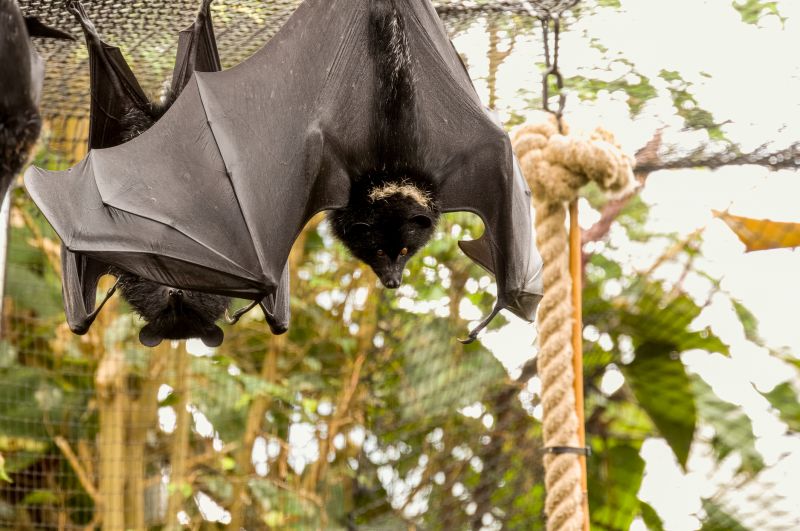
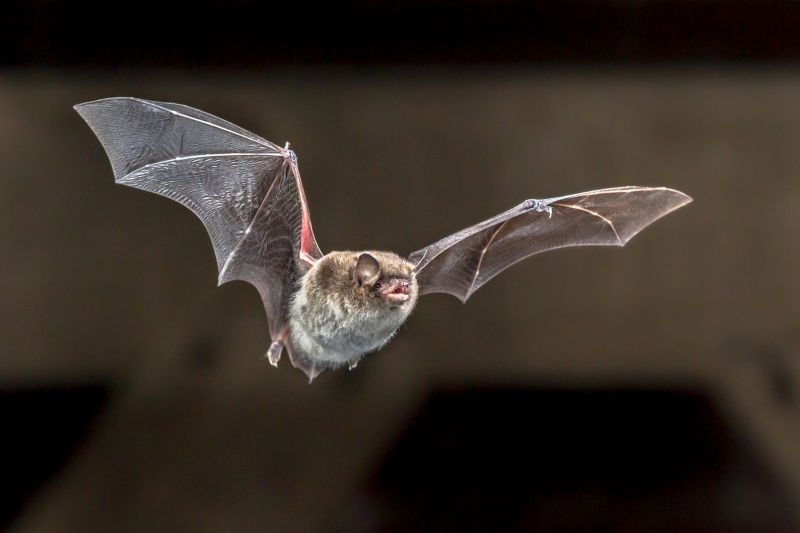
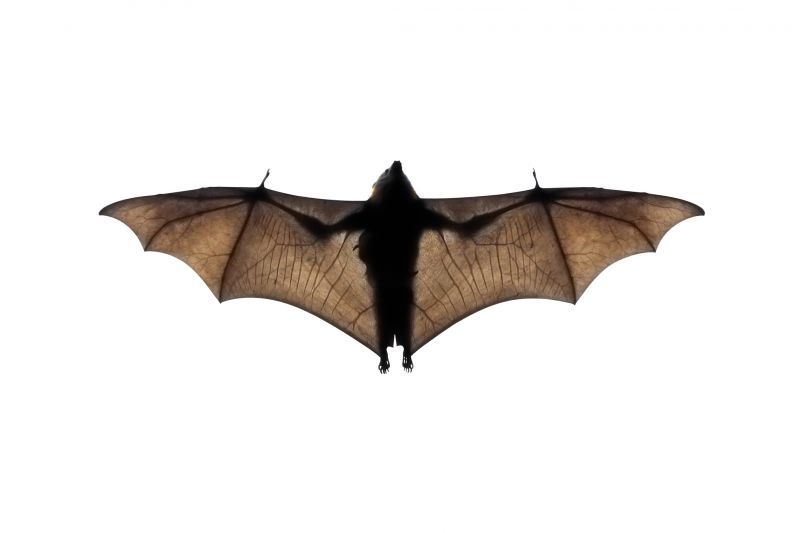
When people search for information about bat infestations in homes: health risks and safe removal, they are typically concerned about the presence of bats in their living spaces and the potential dangers associated with these animals. Many homeowners notice signs like bat droppings, strange odors, or hearing scratching sounds in attics or walls, prompting worries about an active infestation. The search often reflects a desire to understand the health implications, such as the risk of diseases like rabies or histoplasmosis, and to find effective, safe methods for removal. People want to know how to address the problem without risking harm to their families or pets, which makes finding qualified service providers a key step in resolving these issues.
This topic relates to a range of problems and plans homeowners may have when dealing with bat infestations. Common concerns include preventing bats from entering the home, safely removing them without causing harm, and sealing entry points to prevent future visits. Many property owners also consider the importance of cleaning and disinfecting affected areas after removal to eliminate health risks. The goal is to implement a comprehensive plan that ensures the bats are removed humanely and the property is protected from re-infestation. Local contractors who specialize in bat removal often provide tailored solutions that address both the immediate problem and long-term prevention, helping homeowners restore safety and peace of mind.
The types of properties most often affected by bat infestations in homes: health risks and safe removal tend to be residential structures with accessible attics, soffits, or roof gaps. Older homes with less secure roofing or ventilation openings are particularly vulnerable, as bats tend to seek out secluded, dark spaces for roosting. Attics are the most common location for these infestations, but bats may also inhabit garages, sheds, or other outbuildings if they offer suitable entry points. Commercial properties, especially those with large, unused attic or storage areas, can also experience bat issues. For property owners, understanding the typical property types involved helps identify potential risks and plan for professional removal services that can address the specific characteristics of their buildings.
Engaging with local service providers who specialize in bat removal is an essential step for homeowners facing bat infestations: health risks and safe removal. These professionals are equipped to assess the extent of the problem, identify entry points, and execute removal strategies that prioritize humane methods and property protection. Since bat infestations can pose serious health concerns, relying on experienced local contractors ensures the job is handled effectively, reducing the risk of disease transmission and property damage. Connecting with qualified pros also helps property owners access advice on sealing entry points and implementing preventive measures, making sure that the problem is resolved thoroughly and safely.
Wildlife Exclusion Services - professionals specializing in sealing entry points and preventing animals like bats from re-entering homes, which is essential for safe removal and ongoing prevention.
Pest Control and Removal - service providers experienced in safely removing bat colonies and addressing related health risks associated with infestations.
Attic Cleanup and Decontamination - experts who handle the removal of bat droppings and contaminants to reduce health hazards after bat infestations are addressed.
Structural Repair and Restoration - contractors capable of repairing damage caused by bats and sealing vulnerable areas to prevent future infestations.
Home Inspection Services - professionals who can identify signs of bat activity and assess potential health risks within residential structures.
Animal Control Consulting - specialists who provide guidance on humane and effective strategies for bat removal and exclusion in homes.

When evaluating service providers for bat infestation removal, it is important to consider their experience with similar projects. Homeowners should seek out local contractors who have a proven track record of handling bat infestations in homes, especially those involving health risk mitigation and safe removal techniques. An experienced pro will understand the unique challenges that come with removing bats from residential structures and will be familiar with effective, humane methods to address the issue while minimizing risks to the household.
Clear written expectations are essential when choosing a bat removal service. Homeowners should look for providers who can offer detailed explanations of the removal process, including the steps involved, safety precautions, and post-removal cleanup. Having this information in writing helps ensure that both parties are aligned on the scope of work and reduces misunderstandings. Reputable service providers will also be transparent about what to expect during and after the removal process, which can contribute to a smoother experience and better results.
Reputation and communication are key factors in selecting a reliable contractor. It is advisable to seek references or reviews from previous clients who have had similar bat infestation issues. Good communication skills are also important; a professional who listens carefully, answers questions thoroughly, and provides updates throughout the project can foster trust and confidence. When comparing local service providers, these qualities help ensure that the chosen contractor will be responsive and attentive to the homeowner’s concerns, ultimately leading to a safer and more effective removal process.
Property owners often search for bat infestations in homes: health risks and safe removal when they are planning practical projects around their homes and businesses. Local pros provide Bat Infestation Removal services for everyday jobs and straightforward project options.
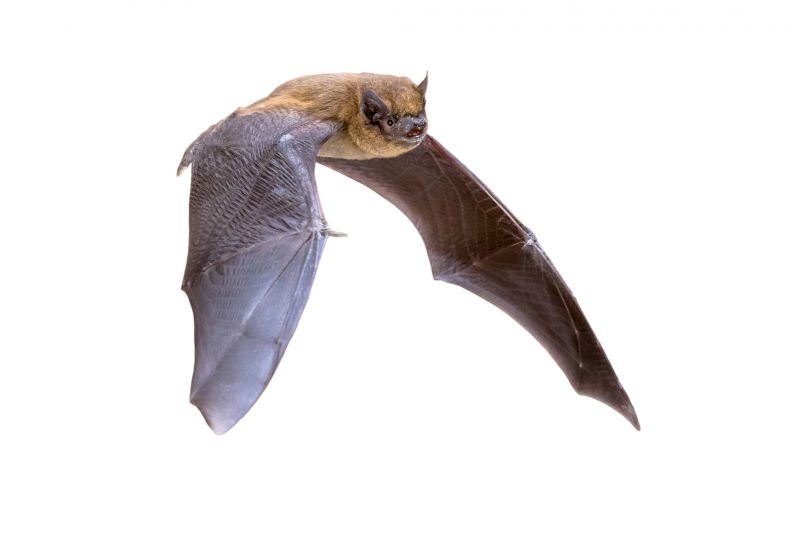
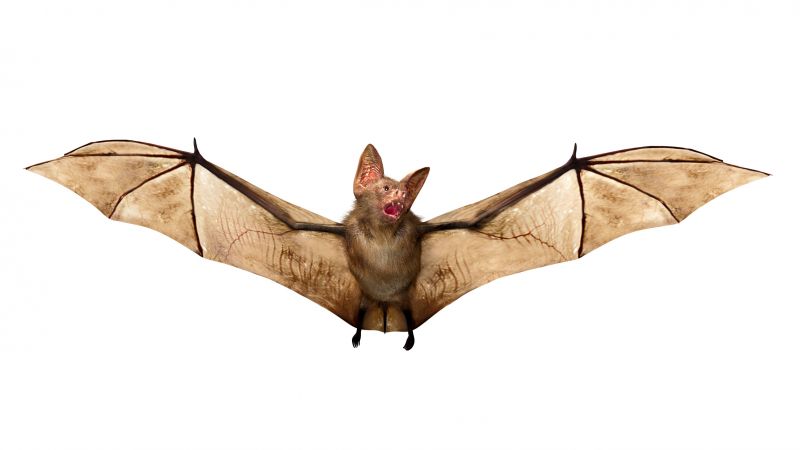
Bat infestations in homes can pose significant health risks due to the potential spread of diseases and the presence of droppings and nesting materials. Homeowners in the area often seek information on how to identify signs of a bat problem and understand the importance of safe removal methods. Engaging experienced service providers is essential to ensure that the removal process is handled properly, minimizing health hazards and preventing further issues. Local contractors who specialize in bat removal can assess the situation, address entry points, and implement humane and effective solutions to eliminate the infestation.
Many property owners look into bat infestation removal services to protect their families and maintain a safe living environment. Bats tend to roost in attics, eaves, or other hard-to-reach areas, making professional intervention necessary for thorough cleanup and exclusion. By working with local service providers, homeowners can ensure that the removal process adheres to best practices, reducing the risk of re-infestation and safeguarding the home’s structural integrity. Connecting with experienced professionals provides peace of mind that the job will be done safely and effectively.
What are the health risks associated with bat infestations in homes? Bat infestations can pose health risks such as exposure to rabies, histoplasmosis from droppings, and allergic reactions. Local contractors experienced in bat removal can help mitigate these risks safely and effectively.
How do professionals safely remove bats from a home? Professionals use methods like humane exclusion, sealing entry points, and removing roosting sites to ensure bats are removed without harm to the animals or residents. Contacting local service providers ensures the removal is handled properly.
Can bat droppings in my home cause health problems? Yes, bat droppings can carry fungi that cause respiratory issues like histoplasmosis. Skilled removal services can clean and disinfect affected areas to reduce health risks.
What steps are involved in preventing future bat infestations? Local contractors typically inspect your home for entry points, seal gaps, and recommend modifications to prevent bats from re-entering. Proper exclusion is key to long-term prevention.
Is it safe to attempt bat removal on my own? DIY removal can be risky and may not effectively address the problem. Professional bat removal services are trained to handle infestations safely and in compliance with local regulations.
Identify potential entry points - property owners can inspect their homes for small openings or gaps where bats may enter and seek advice from local contractors on sealing these areas safely.
Assess the extent of the infestation - homeowners can observe signs of bat activity and work with local pros to determine if removal is necessary and how extensive the problem is.
Implement exclusion techniques - property owners can learn about safe exclusion methods and coordinate with local contractors to ensure bats are removed without harm.
Prevent future infestations - homeowners can follow recommendations from local pros on maintaining their home’s structure to reduce the risk of bat re-entry and infestation recurrence.
If you are thinking about bat infestations in homes: health risks and safe removal for a property, this guide is meant to help you understand this topic, the typical project types, and how different options might fit your plans.
When you are ready, you can use the quote form on this page to share a few details about your project. From there, local pros can review the basics and follow up with options that match what you have in mind.